
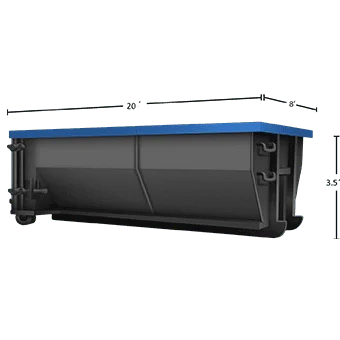
Select an arrangement for loading
Describe how materials reach the container and whether people load by hand or with project equipment. Ask about the actual offered container’s access and loading instructions, including any door arrangement.
Choose the size with the material type in mind. Heavy debris and large lightweight items can create different limits, so explain both the approximate amount and the contents before the provider recommends a container.
Keep a usable working position
Discuss the truck approach, placement surface, overhead clearance and space needed during delivery or pickup. The provider should assess the proposed position rather than being asked to use whatever gap remains after other equipment arrives.
If a loading door is part of the offered container, leave its required operating space available. Do not let stored materials, parked vehicles or temporary barriers block the container while the hire continues.
Decide what happens when a load is ready
Ask whether the job needs one final pickup or an exchange for another empty container. Explain any sequence of separate material types so acceptance and disposal arrangements can be discussed.
An exchange involves another vehicle visit and should be ordered through the provider. Do not assume it is included merely because the container is on a multi-day hire.
Confirm limits before loading
Review permitted contents, fill instructions, weight terms, transport and the rental period in the offer. Tell the provider if the material stream changes or unfamiliar items are discovered.
Use Call Now — Dumpster or Get a Quote with the address and project details. Keep the agreed collection approach clear and follow the provider’s instructions for the actual container.