
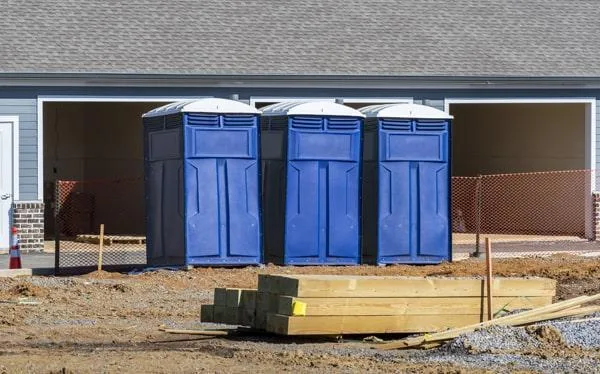
Set up a service arrangement the site can maintain
Give the rental provider a receiving contact and a contact responsible during ordinary working hours. Explain when servicing vehicles can enter and who can resolve an access problem.
The quote should identify cleaning, pumping and restocking arrangements. Ask how extra visits are requested and which changes affect the quoted scope. Routine care and a response to an unexpected issue are different parts of the conversation.
Make the site contact’s checks practical
The contact can watch for low consumables, blocked approaches, damage or a unit that cannot be used. Agree how these issues are reported and what information the provider needs to identify the unit and location.
A quick report should explain the problem, not attempt a repair. Do not open waste systems, improvise a connection or relocate the equipment with site machinery. The rental provider should direct equipment handling.
Adjust service when the working pattern changes
Tell the provider about a longer shift, another contractor arriving or an additional occupied work area. These changes can alter use without changing the project’s calendar end date.
Ask for the revised equipment and service scope to be confirmed. If the job pauses, discuss retention, care and access during the pause rather than assuming that the rental or all service automatically stops.
Close the hire without losing collection access
Identify who can receive collection once work winds down. Keep gates, routes and the agreed position accessible until equipment is removed. Include any changed site contact in the pickup arrangements.
Send your project location and dates to begin a quote. The construction equipment page helps with the initial cabin and washing selection; this page covers keeping that selection usable during the job.